


Apps also are growing larger and more storage-intensive as smartphones get more powerful. Even if you’re rocking an iPhone or iPad with a great deal of storage, you could still get low disk warnings that can cause issues by not allowing you to use your device as intended. When storage is running low, a lot of people think they need to start deleting apps. But Apple has a better solution called offloading. Knowing how to offload an app can prevent you from losing your app data or settings while allowing you to free up some much needed storage space.
Publics is particularly helpful for people who have dozens of apps, but don’t use all of them each day. Rather than deleting and reinstalling apps over and over, offloading means you can keep important information even as the app goes away. This guide will explain what offloading is, how it works, how to manually and automatically offload apps, and discuss when it is the better alternative in comparison to flat out deleting apps.
What Exactly Does It Mean to Offload an App?
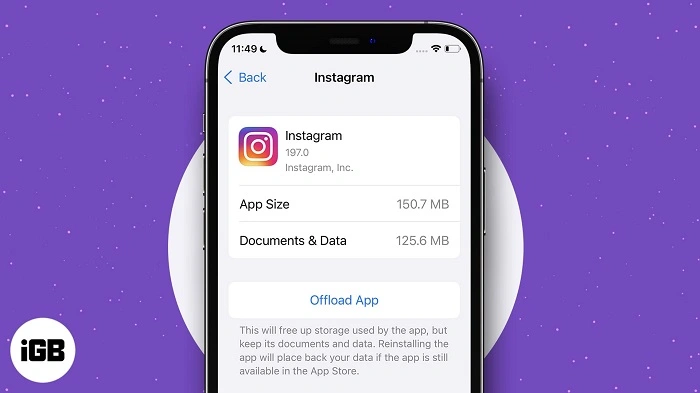
When you offload an app, its executable files are deleted from your iOS device, but all documents and data remain in place. When an app is offloaded, its icon stays on the home screen with a small cloud next to it. This means the app is now uninstalled, but at any time been reinstalled.
The distinction between offloading and deleting is the retention of data. When you delete an app, everything accompanying it — documents and data associated with the app such as save games, sets of preferences that have been configured for the app, login information if applicable — is removed. Offloading keeps all of this data in place for a seamless restart when you reinstall the app. That makes offloading perfect for apps you only occasionally use yet still want to remain fully configured.
Why Apple Introduced App Offloading
Apple brought app offloading, a feature which resolved the common user problem of low storage space. Photos, videos, system updates and big apps can eat up storage in a hurry, particularly on devices with limited space to begin with. Instead of making users decide whether to delete apps or upgrade their hardware, Apple offered up a solution built right into the device that would appease both storage hawks and the casual user.
This is a great boon for users who download apps to meet immediate needs, such as travel, events or one-time tasks. Offload it again when it is no longer used on a regular basis, without losing any progress or data.
How to Manually Offload an App
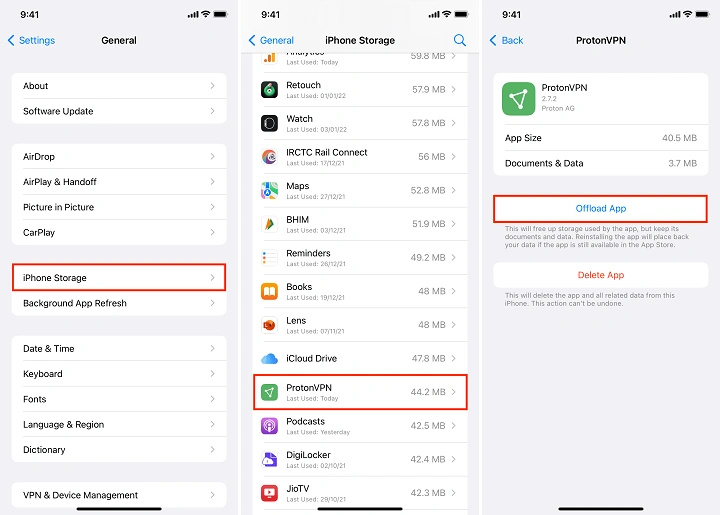
Manually offloading an app allows you to control which apps are being removed from storage. To offload an app manually, you will need to open the Settings app on your iPhone or iPad and tap into the General section. From here, select iPhone Storage or iPad Storage (based on your device). This area shows you the list of apps installed, arranged with most storage to least.
When you tap an individual app, an option titled “Offload App” will be presented. Choosing this option uninstalls the app on your device but retains its data. The app icon is left on your home screen after offloading to indicate that action has been performed.
This is a solution that works best for you want to manually decide what can be deleted, and don’t trust the decision making process of an automated system.
Automatically Offload Unused Apps
Here’s how to do it:
Apple also offers an automatic offloading feature that deletes apps you never use when your storage space is running low. This is a tool for those (of us!) who like hands-off storage management. To activate it, you have to pull up Settings, tap on the App Store and toggle on “Offload Unused Apps.”
With this feature turned on, iOS is tracking how much you’re using apps. Once your device begins to run low on storage, iOS will offload apps you haven’t used in a while. The good news is that the apps you use most frequently remain unaffected, and all of your offloaded app data is also preserved.
Users who install a lot of applications and don’t like to manage them manually will get the most out of this feature.
How to Reinstall an App You Offloaded
You can easily reinstall an offloaded app with no need to configure anything extra. When you tap the icon of an offloaded app on your home screen, your device will immediately fetch and reinstall the app from App Store. After everything is installed, all your old data, logins, and settings are great.
Reinstallation of offloaded apps requires an internet connection. You may not be able to reinstall it if the app is no longer in App Store, or has been removed by the developer. But for the vast majority of apps, there’s no loss of information; they just restore instantly.
Offloading vs Deleting an App
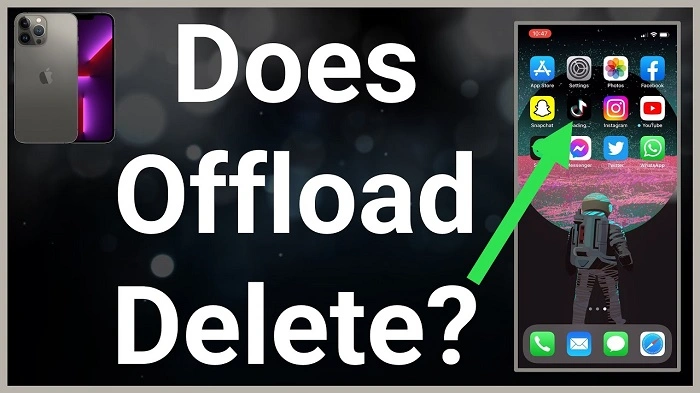
Some users mistakenly conflate offloading and deleting, but the two are different things altogether. Offloading removes the app but saves its data, while deleting gets rid of both the app and any related data forever. If you’re 100% sure that an app is of no use to you or that a reset is in order to give it a ‘do over’, then deleting will work best for you. However, if you need to save storage in the short term or think you’ll use the app again at some point down the line, offloading is the safer option.
Offloading is also a boon for apps that accumulate a large amount of user-generated content, such as documents, saved progress or downloaded files. Removing these apps may lead to the loss of important data.
Also Read: Google App vs Chrome: What’s the Real Difference and Which One Should You Use?
Is any app performance or data impacted by offloading?
Unloading does not have any effects on app performance after the application has been reinstalled. Since it saves all data and settings the app is just like before the offloading process. You won’t lose any data, and you can download the app again, without flowcharts being affected.
However, offloading does not delete any cached data that your app stores in iCloud or at the system level. Its main advantage is if you need to free up storage space that your app exes occupy.
When to use App Offloading
App offloading is ideal when device storage is running low and you’re after a temporary fix that doesn’t affect the app permanently. It’s a great way to prepare your device for major system updates or large downloads too. Offloading is most helpful for people with older devices or little storage space.
While offloading is ineffective for apps that need offline access, as said reinstalling requires Wi-Fi. In these cases, it may be worth the convenience of still having the app installed.
Common Issues With App Offloading
Some users fear that offloading apps will cause them to lose information, but this is mostly not true. One of the most frequent problem is when an app has been removed from the App Store after it had been offloaded. In this case, you may not be able to re-install the app. Also, you might experience limited access or won’t be able to use certain apps if your Apple ID type is changed and a restriction is put in place.
However, in rare exceptions as described above, unloading should still be considered as a safe and trustworthy storage management mechanism.
FAQs
If I offload an app, do my data get deleted?
No, offloading gets rid of the app itself but keeps all data, documents and settings.
Can you offload apps on Android?
Offloading is an iOS-specific feature. Android devices manage storage differently.
Will offloaded apps update automatically?
No, you have to install the offloaded app in order for it to update.
How much space does offloading free up?
Yes, especially for large apps like games or media-rich applications.
Is it possible to offload system apps on iPhone?
You can’t offload most system built-in apps but some Apple ones are eligible to be offloaded depending on the version of iOS you’re using.
Learning how to offload an app is important for iPhone and iPad users who want to get the most out of their device’s storage while not compromising on convenience. Uninstall This strikes a balance between clearing up enough room and yet keeping precious files, so it’s way ahead of simply deleting apps. Whether you prefer to manually unload apps, or let iOS give them the boot automatically, this neat feature should help you ensure you can make best use of your device for longer while sparing your storage needs. App offloading, when done properly, can help your device stay refreshed without pushing your favorite apps out of reach.