


Sometimes medical slang can be indeciphable to all of us, especially if the same abbreviation has multiple meanings. One such abbreviation is APP. In a medical context, “APP” is not an app — at least not of the mobile variety we’re used to. Rather, APP is used in healthcare, diagnostics and clinical practice with several important connotations.
Knowing what APP stands for in medical terminology is crucial for medical professionals, students, and also patients who may receive the abbreviation on medicine bottles or scribbled on prescriptions. The context in which APP is used plays a crucial part of its establishment with respect to definition; it varies between neurology, pathology, cardiology and general practice.
In this post, we’ll explain what APP stands for in medical terms, the most common meanings of it, how it is used in actual clinical settings to treat and diagnose patients and why what an advanced practice provider does plays a crucial role on those spectrums.
What Does APP Stand For in Medical Terms?
APP In medical terms What does APP mean on a prescription? One of the most commonly known meanings for APP in science is Amyloid Precursor Protein, which has high relevance in medical research and Alzheimer’s research.
Elsewhere, APP might refer to Advanced Practice Provider, a term in the health industry that refers to non-physician healthcare practitioners, such as nurse practitioners and physician assistants. More rarely, APPs might also stand for anatomical positions or procedure terms in a specific context.
APP has one’s name on different meanings, we look up the content through the medical context or corresponding specialty basis.
APP as Amyloid Precursor Protein
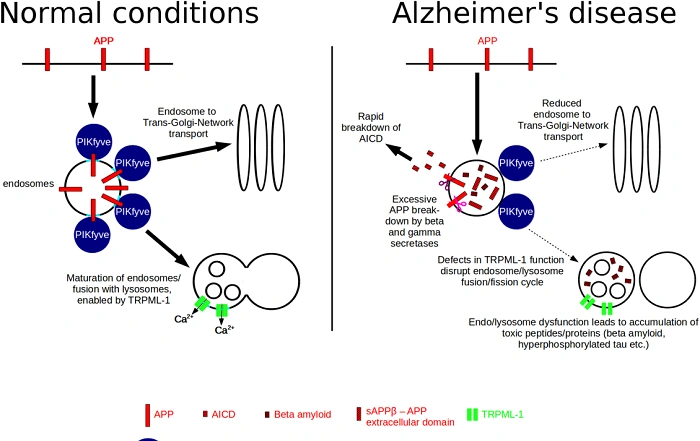
One of the definitions of APP is “Amyloid Precursor Protein”. It is a protein which occurs naturally in the human body, particularly in nerve cells of the brain.
Amyloid Precursor Protein -Amyloid Precursor Protein is involved in normal brain cell growth, repair and communication between cells. APP is normally dismantled into harmless fragments. However, if APP is processed incorrectly then it can generate beta-amyloid peptides which are implicated in the formation of amyloid plaques.
Such plaques are a key hallmark of Alzheimer’s disease and the associated process of neurodegeneration, so APP is in the neurological spotlight when it comes to dementia research. Researchers study APP intensively to elucidate how Alzheimer’s disease develops and whether it can be prevented or treated.
Relevance of Amyloid Precursor Protein to Clinical Medicine
APP has clinical importance, as its abnormal processing is associated with neurodegenerative disorders. As beta-amyloid fragments accrue in the brain, they block neuron communication and cause inflammation that eventually results in dementia.
APP research contributed to the understanding of memory loss, dementia development and potential treatment targets for doctors. A great number of experimental therapies are directed at reducing aberrant APP metabolism or even preventing amyloid plaque formation.
In studies of genetics, certain mutations in the APP gene are associated with a greater risk of early-onset Alzheimer’s disease. This renders APP as a critical target for diagnostic investigations and genetic counseling.
APP as Advanced Practice Provider
Another popular definition of APP is Advanced Practice Provider. These are health professionals who are licensed to practice but are not physicians, though they also have extensive training and clinical duties.
The term “APPs” generally refers to nurse practitioners and physician assistants. They include those who diagnose ailments, order tests, prescribe drugs and otherwise oversee patients’ care in the modern health system.
The term APP has evolved with the growth of healthcare systems and increasing use of team-based care. APPs also enhance access to care for patients, particularly in primary care, emergency medicine and low-resource settings.
Advanced Practice Providers in Healthcare
The role of APPs in patient care delivery is paramount. They frequently collaborate with doctors, but they can also work independently, depending on local rules and scope-of-practice laws.
In the hospital setting, APPs conduct inpatient rounds, participate in procedures and oversee patient recovery. In outpatient settings they perform physical exams, manage chronic diseases and deliver preventive care.
The need for more healthcare using APPs has resulted in use of the term “APP” as being standard of care in descriptions, hospital provider models and health policy regarding healthcare professionals.
Other Medical Uses of APP
In certain medical fields, specific APP forms are used to provide anatomic or procedural descriptions, although these tend not to be common. For instance, in imaging- or localizing anatomic terms APP would represent lines of approach or planes of anatomy according to institutional practice.
And because there is this wide variation, health professionals are taught to be cautious when they come across abbreviations such as APP and not treat them too glibly or it will be easy for misunderstandings to occur.
Why we should care about APP in Medicine

The importance to know what APP refers to Seven points why it is important to know the meaning 1. Accurate interpretation is essential for the correct diagnosis, documentation and management of patients by healthcare providers. Abbreviation misunderstandings with potential adverse effects Medical errors and miscommunication are two of the direct consequences of abbreviation related misunderstandings.
For the patients themselves, the use of the term APP found in their medical reports or part of casual conversations could be perplexing. Understanding whether APP is a protein linked to brain health or health care provider role could help patients better comprehend their care and their personal medical information.
Medical school and residency tudents also must become acquainted with terms such as APP in order to read journal articles, notes from colleagues, and diagnostic reports.
Also Read: HVAC Work Order App: Streamlining Service Management for Modern HVAC Businesses
Proper Use of APP in Medical Education and Research
Application APP is cited often in scientific literature, particularly in neuroscience and geriatrics. Research on the progression, biomarkers, and treatments of Alzheimer’s disease frequently targets APP metabolism and genetic differences.
In medical school, students are taught about APP from molecular biology to clinical application. This double sense of the term illustrates how context must be considered when interpreting medical terms.
APP Compared to Common Misinterpretations
Loosely speaking, “app” is an abbreviation for application and in everyday vernacular typically refers to a mobile app. This can be confusing for patients who read APP in medical records. In medicine, APP virtually never means anything other than application.
Good communication from health care providers can prevent the confusion and make patients understand whether APP is a biological protein, a health professional or something else medical.
FAQs
What is the full form of APP and how is it used in medical terms?
When a person sees “APP:” he or she usually thinks either, Amyloid Precursor Protein, or Advanced Practice Provider.
Does an APP resemble Alzheimer’s disease?
Yes, Amyloid Precursor Protein is highly associated with Alzheimer’s disease studies and formation of plaque.
Who are Advanced Practice Providers?
Nurse practitioners and physician assistants are often referred to as Advanced Practice Providers.
Could APP be anything else in the case note?
Well, actually the meaning will depend on specialty/context and other information.
Does APP ever stand for an application in healthcare?
Unless otherwise stated; APP is generally a medical or clinical term.
Depending on its context, the abbreviation APP in medical terms is highly significant. And whether it’s the Amyloid Precursor Protein in neurology or Advanced Practice Providers in clinical practice, APP is an important abbreviation of contemporary medicine.
This knowledge of whether one meaning follows a different or the same from another will assist healthcare providers in presenting cases and improve patient understanding of their information. As the practice of medicine advances, acronyms such as APP illustrate how clarity, education and context are essential components of health communication.
Understanding what APP means in a particular context promotes comprehension, safer patient care and more informed dialogue between patients and providers.