


We are living in an era of mobile and desktop applications. We depend on apps to work as they’re supposed to, whether it’s social media and banking or productivity and entertainment. But occasionally an app goes rogue—freezing, crashing, or simply not opening at all. If it’s not something as simple as a reboot, frequently resetting an app is your next best bet.
Manually killing app to get the same complexity So proper way of resetting an application can save time,frustration and make your phone back to normal without being a geek. This guide will explain what it means to reset an app, why you might want to do so, how the process works on various platforms and what happens after the reset.
What Does It Mean to Reset an App?
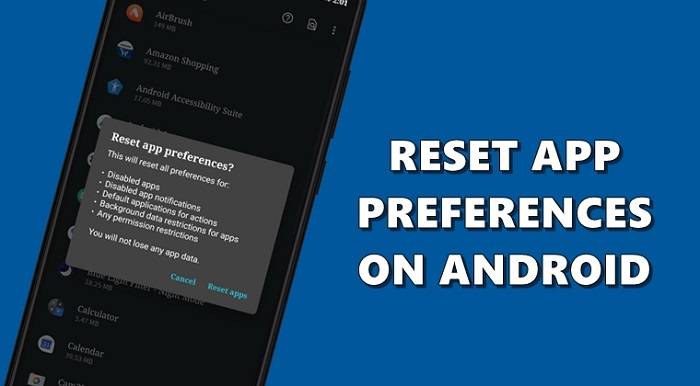
To reset an app is to under state it: 99%, how you first installed or found the application,9 times out of ten,you will reset it right back up to that very state. This will erase all stored data such as cached files, temporary settings, preferences and in some case login details. The App is installed in a state as if you would install it right now again.
Note resetting an app is different from uninstalling it. In several instances, the app still lives on users’ phones but the app’s internal data is blown away. Resetting might erase your saved progress, offline content, and custom settings depending on the platform.
Why You Might Reset an App
Apps can go on the fritz for any number of reasons. This can be due to corrupted cache files, a corrupt game install, or conflicting background applications. Resetting the app can address these issues by clearing old or corrupted data.
App resets frequently occur when users are seeing crashes on open, login failures, sync problems, performance degradation or a feature that is working in one moment and suddenly stops without an obvious reason. It is useful when an application displays wrong information or does not want to update properly.
What Happens When You Reset an App
Resetting an app clears its local data. This may include images that are cached, temporary files saved settings – and sometimes even downloaded content. Often, the app will prompt you to log in again and redo your preferences.
This generally does not apply to cloud data like synced accounts or server-hosted content. But apps that have no backup of local data may get the progress lost for good. This is why it’s good to know what data an app is storing before you reset it.
How Resetting an App Varies by Device
The process for resetting an app varies depending on the operating system. Android, iPhone, Windows, and macOS all deal with app data differently.
Android On Android, you can reset the app from system settings by clearing its cache and app data. This helps people to have more of a say about what information is being scrubbed away.
Purging an app’s data is a bit more effective on iPhones though Apple does not offer up the equivalent of a “reset app” button. Instead, resetting generally means that you delete the app and reinstall it or offload it — to tidy up storage while retaining documents.
On computers, resetting an app typically means either built-in reset utilities in system settings or manually deleting configuration files.
When Resetting an App Is the Right Answer
Resetting app is ideal if basic troubleshooting does not solve the issue. If the problem remains following app or device restarts, and troubleshooting updates do not help, reset may clear up more involved software issues.
It can also come in handy if an app gets finicky post-upgrade or if settings get messed up. It’s a fresh start without actually having to lose any data by doing factory wipe.
When Not to Reset an App
Resetting an app may not be the best option when you have sensitive files with no backup. Offline-progress games, note-taking apps without cloud sync and local-media storage apps may lose valuable data.
So, to protect your data or confirm synchronization settings you may need to backup data before performing a reset. If your problem is ether server-side or due to an outage, a reboot won’t do you any good.
Benefits of Resetting an App
A key advantage is in performance. An app can’t get much faster, when using a file tuner to remove accumulated cache and corrupt files. Resetting also fixes a number of bugs that updates can’t solve on their own.
Another advantage is you will be able to clear up storage space. Apps accumulate large quantities of temporary data over time, and resetting gets rid of it.
Resetting can also fix privacy worries; anything stored on the device, such as credentials or personal data is gone.
Most Common Issues Fixed By Resetting an App
A reset can resolve login loops, syncing failures, blank screens, crashes on launch and unresponsive features. It’s also useful when notifications go haywire or app settings won’t take effect.
But it won’t solve problems with an old operating system, server outages, whether the hardware is functioning properly.
Reset and Clear Cache of an App
Cache cleaning doesn’t delete anything* from the user area. If an app has been reset, both the cache and user data have been removed. You can also clear cache which is a less drastic option and you could give this a try before anything else.
If clearing cache doesn’t fix the issue then reset app is the more extreme technique that removes all locally stored data.
Before You Reset a Device to Its Factory Settings
But before you reset it be sure is the app on cloud. Ensure that critically important data is backed up or stored online. You might also consider signing out manually before resetting to prevent account complications.
It is suggested to update both app should the OS ahead of reset, because some updates may also correct up the problem without data loss.
FAQs
If you reset an app will it delete your account?
No, it generally deletes local data, not your online account.
After resetting app do i still need an internet conection?
Answer: Most apps need access to the Internet to log in and resync data.
Is resetting an app safe?
Yes, assuming that crucial data is regularly backed up.
How do I reset an app?
Just occasionally; you shouldn’t need to do it very often.
Will resetting an app solve all issues?
No, it addresses local data problems but not those on the server side or hardware.
One of the best ways, in which you can fix an app that won’t open or keep crashing on your iPhone, is to reset it. It erases corrupted data, restores factory settings and can often revive problematic apps. Although it often means having to sign in and reset settings, the rewards mostly make up for the hassle.
So knowing how and when to reset an app can make it run much more smoothly without just taking a hammer to the app. As long as you do it carefully, and with the proper backups, a reset is a safe (and practical) approach to dealing with everyday app issues.