


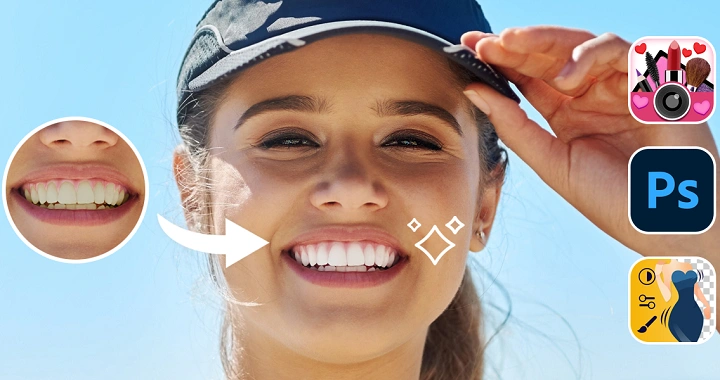
Millions have realised that a beautiful white smile is one of the most powerful and universal symbols of confidence, good health and personal care. With modern advancements in technology and beauty-based apps for everything, it’s no surprise that a lot of us are now looking for a whiten teeth app that can provide the quick- fix-problem free, cost effective alternative to professional dental whitening. These apps offer the lure of fast, easy visible improvement without a dentist. But just what does a teeth whitening app do, and can it really whiten your teeth?
It’s important to understand how these apps work, what they are and aren’t capable of doing, and how to use them thoughtfully before using them as a means for beauty enhancement. This post takes a good hard look at what teeth whitening apps really are, why they exist and its limitations and will help you determine whether it even makes sense to use them.
What Is a Whiten Teeth App?

A whiten teeth app is an application for a smartphone or tablet (device) that is intended to make one’s teeth appear whiter, by means of digital image processing or visual effects. Most of these apps don’t actually alter the color of your teeth. Rather, they touch up images or edit videos to make teeth appear whiter and brighter onscreen.
Some are created only for manipulating images, while others serve as cosmetic simulators and a way to teach people about dental care. Some apps also purport to walk users through whitening routines, or monitor progress for people using actual whitening products, but the app itself does not whiten teeth chemically.
Why People Turn to Teeth Whitening Apps
The trend in the demand for whitening app is now influenced by aversion to spend time and appearance-based social media culture. Many people do want a better smile in order to look their best in photos for social media platforms, professional profiles or personal confidence. The app method is quick and cost-efficient and there’s no pain or sensitivity.
Some people just use these apps out of curiosity. Many users would like to be able to preview what their smile will look like with whiter teeth before investing in professional treatments. In this way, whitening applications serve as preview or simulation resources.
‘How Do Whiten Teeth Apps Actually Ever Work?’
For the most part, teeth whitening apps use photo editing technology. When you submit a photo or take one through the app, it will scan for facial features and locate areas of teeth. The app then adjusts the brightness, contrast and color to remove yellow tones and make it look whiter.
Some apps offer manual control, which allows users to adjust the level of whitening; others use automatic filters. Facial tracking and augmented reality are employed to apply real-time effects in video-based apps.
Keep in mind that these adjustments are not going to be incorporated into the digital file itself. The moment you close the app or glance in a mirror, your real teeth are right were you left them.
Can a Whiten Teeth App Really Whiten Your Teeth?
No app magically whitens teeth in real life. “Real teeth whitening would employ chemicals like peroxide to reach enamel and break down stains. Real life: Apps cannot change tooth structure or color.
But some come with a physical whitening product as well. In such cases, the app functions as an adjunct to observe attentiveness or reminders for taking medications or to compare pre- and post-treatment photos. That said, the skin-whitening is created by the product itself, not so much the app.
Also Read: RF Detector App
Pros of trying out a teeth whitening app
One of the biggest advantages is better looking photos. If you’re looking for immediate results with photos, videos or online profiles whitening apps can do the trick. They enable users to determine how bright or realistic they want their smile to appear with nonpermanent results.
Another advantage is safety. And since the majority of apps are fully digital, they don’t lead to tooth sensitivity, gum irritation or enamel loss. This makes them a relatively low-risk choice for aesthetic augmentation.
There are teeth-whitening apps that could also help raise awareness. By revealing staining or discoloration in the images, they can spur improvements in oral hygiene or prompt visits to a dentist.
Limitations and Drawbacks
The main drawback to whitening apps is that they don’t produce real results. Depending on them might get you used to unrealistic expectations, and then you’ll look at your natural smile and be disappointed.
Whitening filters can be overused, giving photos an unnatural look. Teeth that are EXTREMELY white, can look very UNREAL if you’re not careful with the skin and lighting.
Some apps are heavy on adware, and some require subscriptions for even basic features that you may not feel are worth the cost for simple editing needs.
Are Whiten Teeth Apps Safe?
Most teeth whitening apps are safe from a physical health standpoint at least, because they don’t make contact with your actual teeth. That said, digital safety and privacy is still something to continue thinking about.
A lot of apps ask to access your camera, photos and occasionally even cloud storage. Be sure to read permissions and privacy statements carefully. Sending facial images to the mystery servers could be a security issue, he said.
Slice off the top of the apps promising to whiten teeth without product, as those claims can be deceptive.
Teeth Whitening Apps vs Professional Hats off
It works: Because these are professional level whitening treatments they work and are proven to show results that can be measured by dentists. They can take on deep stains and ingrained discoloration. But they are pricier and can create sensitivity in the short term.
Whitening apps, however, are meant for previewing or digital enhancement purposes. They are not a replacement for dental procedures but can work with other whitening treatments to let consumers see the results.
Who is a Whiten Teeth App for?
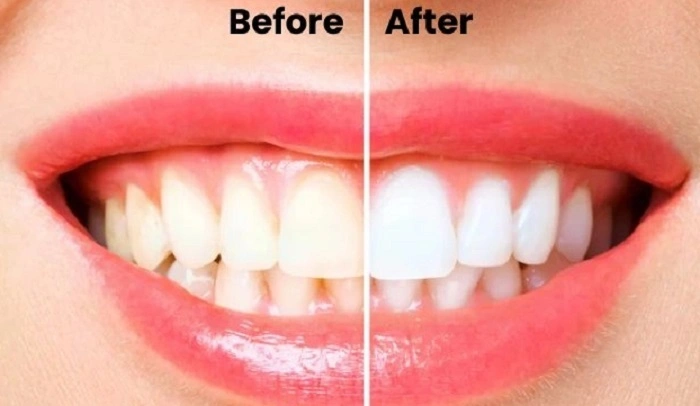
These teeth whitening apps are perfect for those of us who want a better smile in photos without the permanence. Social media enthusiasts, content creators and professionals changing those profile pictures will be appreciated.
They’re also a good option for anyone who is thinking about professional whitening but wants to see a simulated result first. But people with serious dental issues ought to see a dentist, not use apps.
Setting Realistic Expectations
Just as important is understanding what a whitening app can’t do. These apps enhance appearance, not dental health. They are really meant to be used as cosmetic tools, akin to photo filters — not medical solutions.
and a responsible use should be knowing the dangers of being dependent and unsatisfied with one’s natural self. A REAL SMILE IS MORE IMPORTANT THAN DIGITAL PERFECTION.
Frequently Asked Questions (FAQs) About Whiten Teeth App
Do teeth whitening apps work for real teeth?
Nope, they just photoshopped the teeth in photos or videos.
Are whitening apps safe?
Most will be safe in digital form, but users are advised to review privacy permissions.
Is whitening from an app as good as it gets for dental whitening?
Nope, there is no substitute for professional whitening — apps don’t provide real results.
Do whitening apps damage teeth?
No, they do not come in contact with the teeth as such.
Do free teeth-whitening apps really work?
They are able to enhance the look of a photo but don’t actually whiten in real life.
Final Thoughts
A whiten teeth app can be a practical cosmetic aid if used with realistic attitudes and application. These are simple apps that provide almost instantaneous cosmetic appeal, and a completely zero-risk way of enhancing your smile in photos. But they are not a substitute for dental care or oral hygiene.
“If your motivation is actual teeth whitening, professional and dentist-approved solutions are the way to go.” When all you want is a brighter smile on screen, a whitening app may be the tool for you. Knowing the difference helps you make an informed and confident decision about your smile.